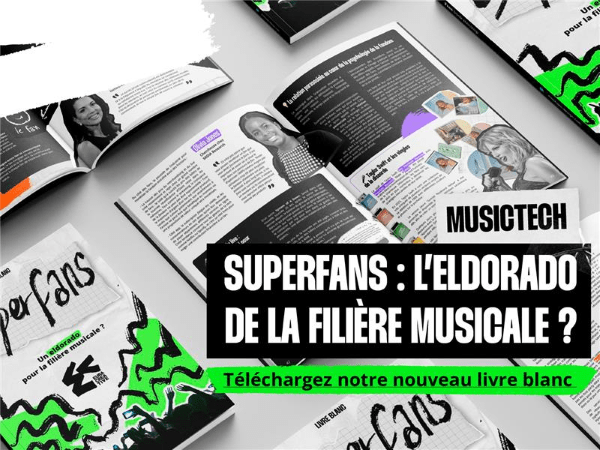
Music tech: everyone's looking for their superfan model
For once, let's leave artificial intelligence aside to analyze another underlying trend that inspires dozens of music tech entrepreneurs: the superfan segment and the direct-to-fan relationship it induces.
-

-


What is a super fan?
How do you identify a superfan? Luminate identifies three essential criteria for hooking one:
👋 Their visibility: the superfan is highly engaged, especially on social media and in fan communities. They like, comment, analyze, over-analyze, and interpret!
📢 Expressing their fan identity: they are engaged consumers (buying merchandise, attending concerts, etc.), because spending money shows they are fans. To give you an idea, 31% of American Gen Z would like artists to offer more merchandise options.
🍻 Belonging to a community (fan-to-fan relationships): Swifties, Little Monsters, BeyHive, or BTS Army, to name just four highly engaged and close-knit fandoms. The superfan has it all: they adore someone and have the money to show it. This is enough to make the industry obsessive, scrambling to offer them tailor-made services.
A startup ecosystem for superfans
Even, Fave, Vault.fm, TRAX, Insidr Music are some of the startups investing in the niche, but the established players are not to be outdone: Spotify says it is studying the creation of "superfan clubs", WMG is building its own app, SoundCloud is adding direct messaging features, Universal Music Group regularly speaks about this dimension… it is a rush towards an eldorado that is not so easy to grasp.
A balancing act to attract superfans
Because there's a tension between further monetizing these fans and maintaining an authentic relationship with them. Labels seek to encourage these die-hard fans to consume more, while streaming platforms want to capitalize on the trend to improve user retention. New entrants are using a variety of strategies (Web3, NFT, early access releases, co-creation, exclusivity, etc.) to offer sustainable and fair revenue for artists. It's a balancing act in a market where fans expect significant value to justify a monthly subscription… especially given the subscription fatigue currently affecting consumers (which can be summed up simply: people are tired of being asked to pay separately for different online services).
Many challenges therefore, but an enthusiasm to exploit this segment remains high: the one who can understand the complexity of a real commitment and solve the equation of the sustainability of this commitment will probably win the game.
How can the music industry master superfan strategies?
– analyze concrete cases (startups, labels, artists)
– to give you some keys to thinking about how to meet this need
Whether you're a record label or a music tech company, discover the keys to the superfan economy!