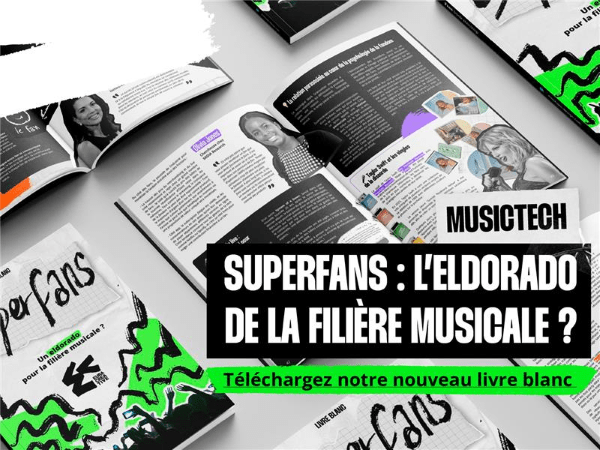
How can the music industry master superfan strategies?
Superfans have become the obsession of an industry seeking additional revenue: as ambassadors , content creators , and drivers of organic growth , they have become the alpha and omega of a disproportionate music market where attention is a rare commodity.
-

-


How can the music industry effectively identify, cultivate, and monetize superfans while meeting their growing expectations for authenticity and exclusive experiences?
The music industry is undergoing a profound transformation where the superfan , once considered a mere marketing curiosity, is now emerging as the true engine of growth . Presented alternately as a cash cow or a valuable asset to be nurtured, this persona is redefining the boundaries between technology and marketing. In a context where traditional revenue models are losing steam, understanding the engagement of this niche is becoming imperative for every player in the industry. This portrait of the premium goes beyond passive consumption and explores a deep and lasting relationship with the artist. For this first EuraCreative white paper, we invite you to delve into this complex reality to extract strategic insights . What are the major issues addressed?
Why have superfans become the central axis of revenue growth in today's music industry?
The superfan doesn't just listen to music; they are deeply involved on social media and within fan communities. Unlike the monthly listener as defined by Spotify, the superfan is characterized by active and repeated listening , deliberately seeking out the artist and subscribing to their updates. In the United States, it is estimated that 18% of music listeners fall into this category. These individuals are distinguished by a checklist of specific actions: purchasing merchandise, subscribing to newsletters, and actively participating on Discord and Reddit . This social visibility is an extension of their identity, whether they are "Swifties" or members of the "BTS Army." Above all, they seek a sense of identity and connection with the artist, reflecting aspects of their own aesthetic and values. Understanding these nuances is the first step in transforming a volatile audience into a solid and engaged fan base .
The financial potential of superfans is massive: a Goldman Sachs report from May 2024 estimates this opportunity at $4.3 billion for the industry . The figures speak for themselves: superfans are willing to spend twice as much as a standard user. According to Luminate, a superfan spends on average 126% more on merchandise and 76% more on physical music than a typical consumer. This financial windfall is all the more crucial as streaming revenue appears to have reached a plateau. While record sales were once driven by the most dedicated buyers, flat-rate subscriptions have smoothed out spending, making premium segmentation essential . My white paper details how to progressively monetize this target audience to increase streaming revenue by approximately 13% sustainable and consistent revenue opportunities .
How can artists and labels effectively leverage fan data to build deeper, more lasting relationships?
The industry's biggest challenge lies in mastering data, a historically fragmented and opaque . Currently, fan data often remains inaccessible to artists and labels, captured by platforms that act like black boxes. However, there is a crucial distinction between first-party (proprietary), second-party, and third-party data. To build a true Direct-to-Fan (DTF) , it is imperative to collect granular data, using tools that now allow for the creation of gateways to identify the most active fans by name. My white paper explores these technological solutions that make data intelligent and actionable. Without genuine ownership of the relationship, the artist remains at the mercy of social media algorithm changes.
However, winning over superfans is not without its risks: attention fatigue looms for both artists and fans. For artists, the pressure to constantly cultivate their personal brand can lead to a feeling of artistic disconnect or precarious mental health. For fans, subscription fatigue and rising live ticket prices can generate deep resentment.<sup>26, 27</sup> The example of Taylor Swift's vinyl records, released in multiple versions to force purchases, sparked a real backlash among some fans. It is therefore crucial to find a balance between free storytelling and product sales. Respect for the fanbase is the key to lasting loyalty.
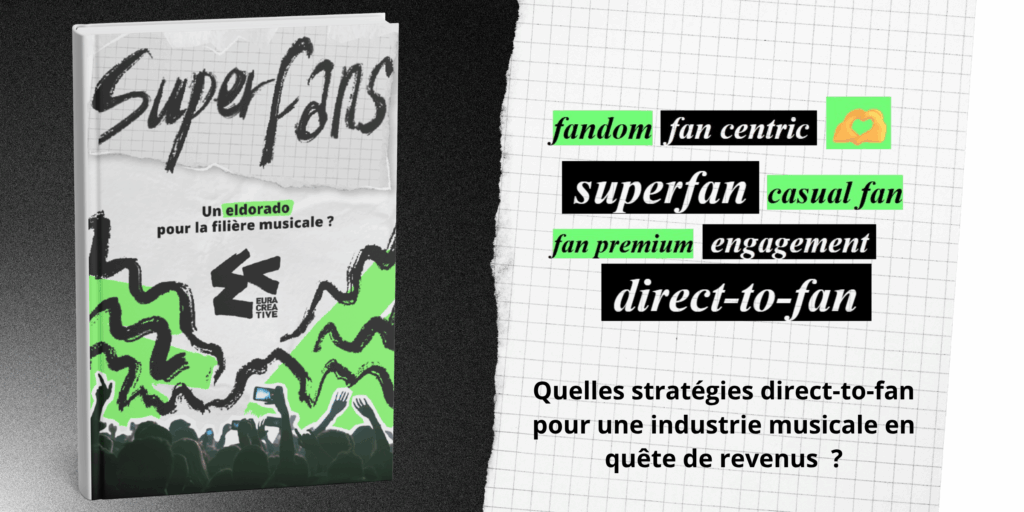
What are the innovative direct-to-fan (DTF) approaches that boost superfan engagement and monetization beyond traditional channels?
To boost engagement, the industry must create new spaces where music takes center stage. Innovative approaches are multiplying to foster a self-reliant and highly invested fandom. At the same time, the physical experience remains a powerful lever: initiatives are offering immersive, high-fidelity album listening sessions in cinemas or unique venues. These premium moments allow for the preservation of active listening and a shared, unified experience. More diverse use cases are available in the white paper!
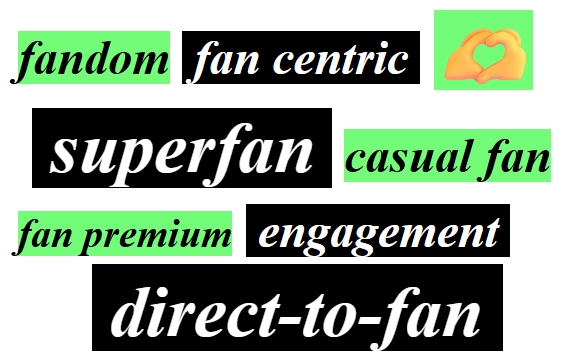
What are the critical considerations and future directions for building a resilient, fan-centric music ecosystem?
Becoming truly fan-centric requires borrowing methodologies from other sectors, such as UI journey mapping . The goal is to deconstruct each step of the fan journey to optimize touchpoints before, during, and after an event. This handcrafted and organic approach is particularly vital for emerging artists , who are often overlooked by recommendation algorithms. Rather than immediately aiming for volume, it's essential to prioritize individual value and reciprocity. Discover methods and frameworks to apply to develop an engaged fan base!
The superfan is not just a simple buzzword
This is the linchpin of a new, more human and direct economy: by moving away from single, industrial models, the industry can build a fairer and more rewarding ecosystem for artists . Exploring the challenges related to superfans shows that technology must serve human connection , not the other way around. Whether you're an independent label or a developing artist, the keys to success lie in your ability to skillfully cultivate the engagement of your community.
To delve deeper into these concepts and discover the full scope of our forward-looking analyses, download our white paper now … and reinvent the connection between artists and those who bring their art to life!